Bridging major oceanic production origins with dynamic West African and refining import/export corridors.
TELEMETRY_TRACK: SYSTEM DETAILS
ABOUT GULF FOODS FZE
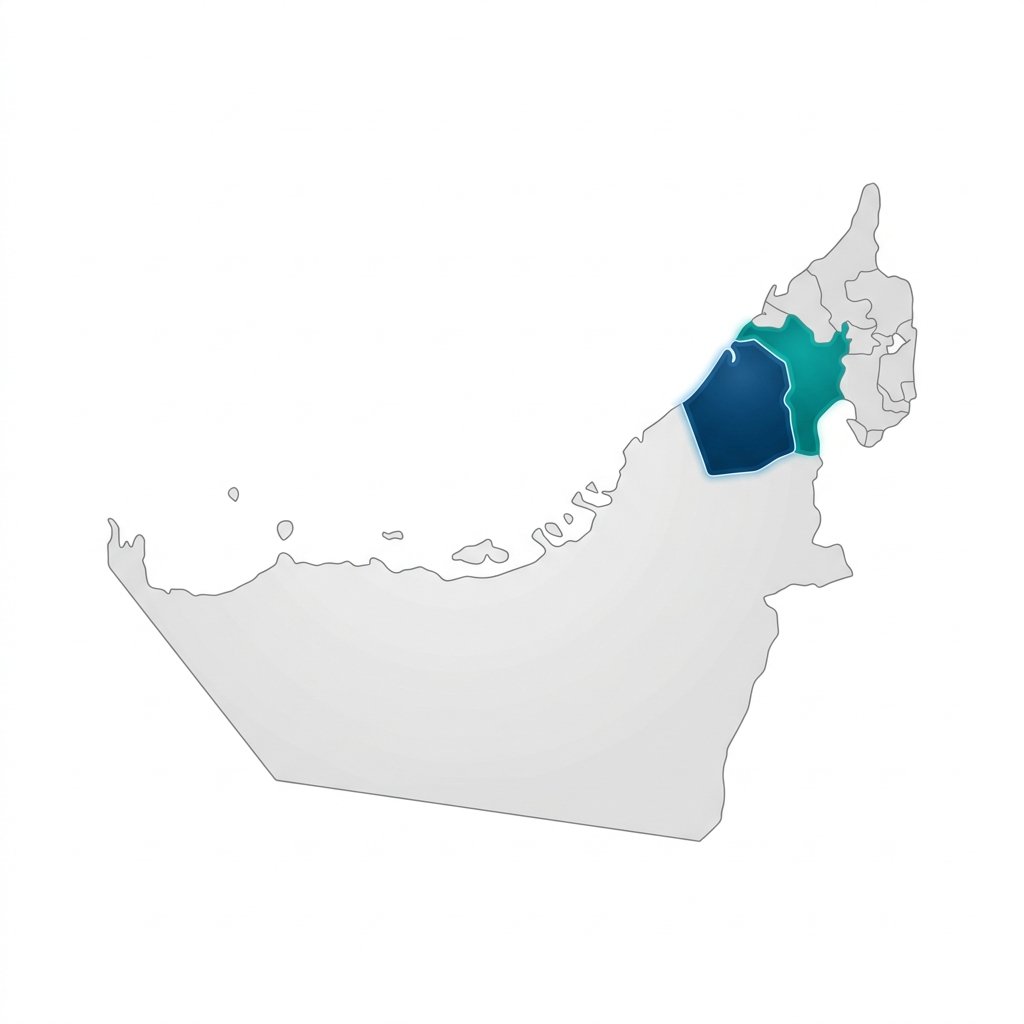
Operating from our SPCFZ Headquarters in Sharjah, UAE, as a global commercial maritime intermediary.
TELEMETRY_TRACK: VECTOR ROUTING
TRADE CORRIDORS
Linking Northern Europe, South America, and East Asia to West African terminals and downstream global mills.
TELEMETRY_TRACK: COLD INTELLIGENCE
COLD CHAIN SCIENCE
Engineered flash cooling at -40°C, biological sanitation containment, and continuous real-time reefer monitoring.
TELEMETRY_TRACK: COMMODITY MATRIX
PRODUCT ENCYCLOPEDIA
Detailed varieties, biological classifications, and shipping specifications for premium seafood, poultry, and dry staples.
TELEMETRY_TRACK: PARTNERSHIP DESK
CONNECT WITH US
Secure Letter of Credit setups, custom volume container allocations, and administrative details.
Global Food Sourcing & Intermediary Logistics
Connecting Prominent Producing Origins with Dynamic Import Markets
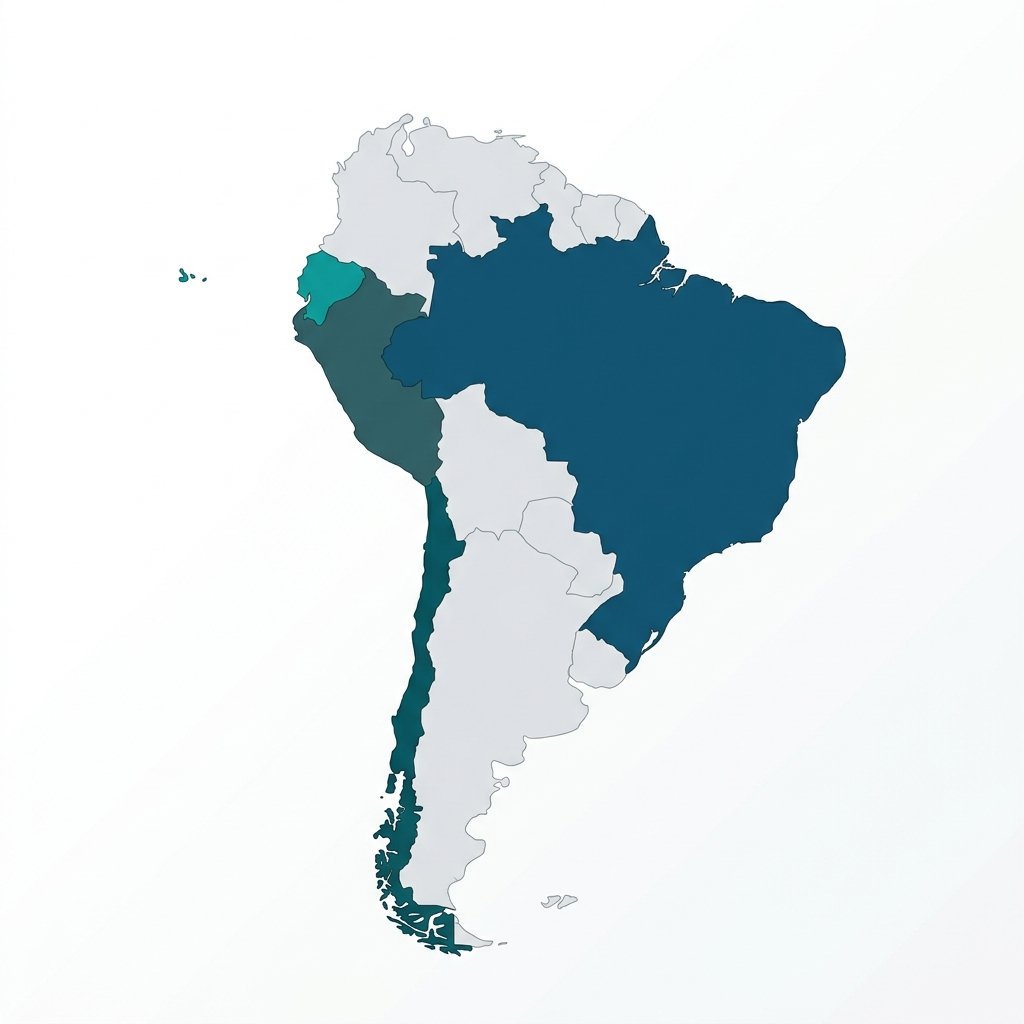
Welcome to Gulf Foods FZE LLC, a premier supply chain partner built upon established industry expertise and a steadfast commitment to delivering exceptional food commodities. We operate as a high-performance maritime trading intermediary, structurally linking the primary agricultural and oceanic producing zones of Europe, South America, and East Asia with active retail, wholesale, and processing markets across West Africa, and bridging West African raw bulk commodities to buyers in Europe, India, South America, and South East Asia.
As a global trade resource, we do more than move cargo—we establish and maintain deep-seated trade relationships, manage cross-border shipping compliance, and engineer unbroken cold chains for highly perishable items. Whether you are a large-scale distributor, processing plant, or commodity buyer, we offer the logistics intelligence and premium product access you need to secure your supply chain.
Global Sourcing Security
How we secure bulk allocations directly from South American marine shelf fleets and Northern European poultry producers through off-season volume procurement and trade-risk hedging.
Bridging West African grower cooperatives directly with downstream processing mills in India and South East Asia, eliminating multi-tier retail commissions and optimizing raw bulk value.
A Sophisticated Global Maritime Trading Intermediary
Gulf Foods FZE LLC was founded with a singular, high-level vision: to address the structural inefficiencies, geographical imbalances, and logistical challenges that characterize the modern global food trade. Operating from our strategic administrative headquarters within the Sharjah Publishing City Free Zone (SPCFZ) in the United Arab Emirates, we act as a highly specialized trading intermediary. While our physical offices are located in the Middle East, our operational focus is fundamentally global, bridging distant continents through coordinated ocean logistics networks.
Unlike localized distributors, Gulf Foods does not sell primarily within the UAE. Instead, we operate as a global trading bridge, managing two high-volume trade axes. We purchase temperature-sensitive proteins, premium seafood, and poultry from the elite agricultural sectors of South America, Northern Europe, South Korea, and Japan, and export them directly to expanding consumer and commercial markets in West Africa. On the reverse axis, we partner with agricultural grower cooperatives and local consolidation hubs in West Africa to import raw bulk commodities—such as organic soya beans and raw cashew nuts—and deliver them to processing and refining hubs in Europe, South America, India, and South East Asia.
Our History & Team
Standing upon decades of combined partner expertise. Sourcing executives have spent years navigating deep-sea freight, agricultural sourcing, and regulatory customs clearances.
Leveraging the SPCFZ in Sharjah for trade finance, customs clearance, and global banking. Facilitating secure Letters of Credit and multi-currency commodity transactions.
Gulf Foods manages complex ocean shipping lanes. Our operations are structurally divided into two major trade corridors designed to balance global supply and demand for perishable proteins and raw agricultural inputs.
Corridor A: Protein Sourcing
Origins: Europe, South America, South Korea, Japan. Destinations: West African Port Nodes. Focus: Frozen poultry, deep-sea snapper, and premium yellow croaker.
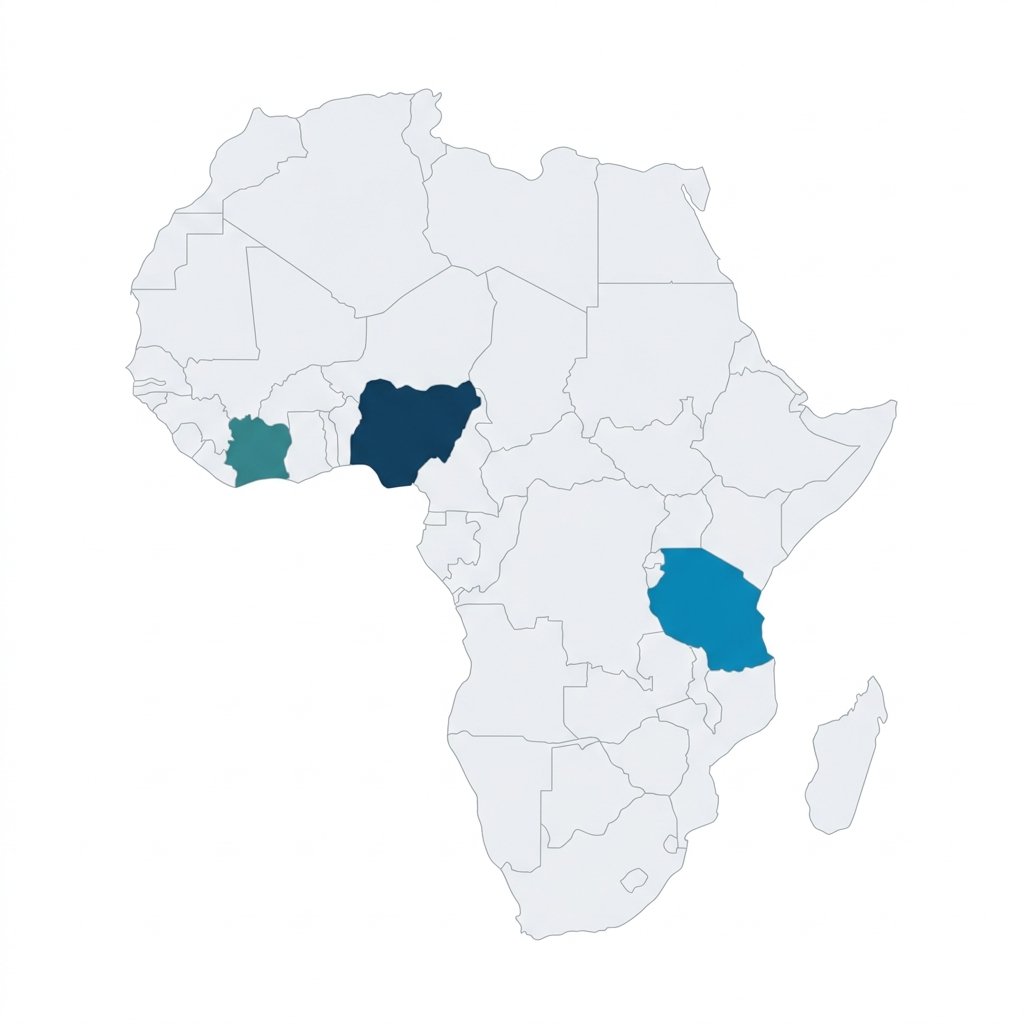
Origins: West Africa. Destinations: Europe, South America, India, SE Asia. Focus: Dry bulk agricultural inputs (Non-GMO organic soya beans, raw cashew nuts).
Gulf Foods' office in Sharjah acts as the control center for both corridors, managing the documentary, trade finance (Letters of Credit, Bank Guarantees), and customs compliance requirements that allow cargo to pass smoothly through international borders.
Cold Chain Science & Perishable Logistics
The Engineering Behind Safe Oceanic Commodity Transport
Shipping perishable products across thousands of miles of open ocean requires deep knowledge of thermodynamics, biology, and logistics engineering. Below is an in-depth operational guide outlining the cold chain standards we utilize to deliver zero-compromise cargo.
1. Freezing Thermodynamics
Preserving protein cell structures and completely avoiding cargo "drip loss" during ocean voyages through Individually Quick Frozen (IQF) rapid flash cooling at -40°C to lock in nutritional profile, quality, and texture.
Protecting bulk grains from moisture absorption at terminal yards. Implementing continuous telemetry thermal cables and immediate centrifugal recirculation blower systems to prevent hot spot decay.
Pathogen control screening for all protein imports. Enforcing rigorous pre-dispatch microbiological assessments and automated post-loading ozone gas container sterilization pre-voyage.
Gulf Foods is a primary link between specialized global harvesting sectors and final wholesale markets. Browse our product catalog below for detailed varieties, biological notes, and shipping specifications.
Whether you require raw commodity importing contracts, customized cold-chain delivery routing, or product specification sheets, our Sharjah-based logistics team is ready to assist your company.
Gulf Foods FZE LLC
Corporate Headquarters:
Office F07, Sharjah Publishing City Free Zone (SPCFZ) Building,
Al Zahia Area, Sheikh Mohammed bin Zayed Road,
Sharjah, United Arab Emirates
Secure Email:
Wholesale Sourcing Guide
A structured step-by-step breakdown covering custom specifications alignment, pre-contract allocations, Letters of Credit, and container dispatch audits.
Facilitating safe multi-container logistics via secure Letters of Credit (LC), Bank Guarantees, and multi-currency transactions managed via top Sharjah banks.
Guaranteed verification of Bills of Lading, original Phytosanitary certificates, SGS inspection reports, and organic custody logs prior to container discharge.
Request a secure wholesale container allocation or a custom pricing quote. Sourcing parameters are structured under strict confidentiality.
Thanks for your enquiry
Disclaimers & Information Validity
Regulatory Compliance & Certifications Notice: Gulf Foods FZE LLC acts strictly as a commercial maritime trading intermediary and trade broker. While our supply chains partner with high-quality producers worldwide, Gulf Foods does not directly hold or maintain proprietary certifications (such as Halal, Kosher, Organic, or ISO sanitary standards) in its own name. It is the sole, explicit responsibility of the importing customer and end-buyer to inspect and verify all certification paperwork provided by the original producers at the time of placing orders. Gulf Foods acts as an administrative bridge and provides original producer-level documents upon request, but makes no independent guarantees.
Trade Data & Specifications Validity: Sizing grades, chemical metrics, packaging setups, and temperature parameters listed across this website represent general historical industry standards and are provided for educational and pre-contractual guide purposes only. Due to dynamic ocean schedules, seasonal harvest variables, weather-induced crop yields, and evolving customs policies, actual wholesale lots can deviate. Final binding cargo specifications, weights, ports of loading, pricing models, and trade terms will be negotiated individually and outlined in formal trade contract agreements.
Global Sourcing Security
Bulk Sourcing Systems and Partner Sourcing Security
In global agricultural and marine protein markets, securing consistent bulk product allocations requires a high degree of partner integration and volume commitments. Gulf Foods bridges oceanic distance by maintaining permanent purchase-agreements with major South American commercial seafood fleets and leading Northern European poultry agricultural complexes.
By guaranteeing off-season volume procurement and managing the administrative documentation out of the Sharjah SPCFZ hub, we provide producers with absolute sales security. In return, our buyers receive stable, pre-booked cargo space on state-of-the-art reefer lines. This structural trade symmetry protects West African buyers from high seasonal price spikes and raw market volatility.
Intermediary Trade Value
Bridging West African Growers with Global Downstream Refiners
Our West African agricultural corridors are built on fair-trade structures and total sourcing coordination. Soya beans and raw cashews are purchased directly from local cooperative farming blocks in Ivory Coast, Ghana, and Nigeria. Our administrative desk arranges local packing and inland truck routing from remote farms directly to container ocean terminals.
This bypasses expensive local trading houses and multiple middle-tier traders, allowing West African farmers to maximize their income while delivering highly competitive cargo prices to processing plants in Europe, South America, India, and South East Asia. We manage all letter of credit compliance, custom cargo documents, and phytosanitary certificate validation out of Sharjah, UAE, guaranteeing complete legal safety for bulk shipments.
Our Sourcing Pledge
Hygiene Rules, Traceability, and Cold Chain Assurances
At Gulf Foods FZE LLC, food safety is not an afterthought. We pledge that all products shipped through our trade networks are subject to complete traceability checks. Soya beans can be traced back to their regional cooperative silos; seafood catches are logged with vessel identification tags and exact catching shelf coordinates.
We work exclusively with certified cold storage partners and reefer ocean lines that guarantee strict compliance with food sanitation standards. Our logistics systems actively block demurrage delays and monitor temperature ranges continuously, securing an unbroken cold chain that maintains optimal food quality from origin to port.
Our Global Business Mandate
Structural Sourcing and Continental Supply Routes
Gulf Foods operates exclusively as a global commercial maritime trading intermediary and trade broker. Our administrative offices are strategically located within the Sharjah Publishing City Free Zone (SPCFZ), UAE, providing us with optimal trade-financing capabilities, global logistics contacts, and neutral custom coordinate tracking.
Our model is structurally focused on long-distance commodity trade corridors that balance global supply. We purchase fresh, high-standard proteins (poultry, deep-sea snapper, yellow croaker) from developed farming hubs in South America, Europe, South Korea, and Japan, and export them to developing markets in West Africa. Conversely, we import raw bulk inputs (non-GMO soya, cashews) from West African farming networks and deliver them to industrial downstream refining hubs in Europe, South America, India, and South East Asia. We do not distribute within the UAE, keeping our focus centered on major international maritime lanes.
Our History & Sourcing Team
Years of Maritime Trade Experience
While Gulf Foods FZE LLC is a newly incorporated entity in Sharjah, our management and logistics teams represent a combined experience of decades in international food trading. Our commodity traders have worked across major ports in Northern Europe, South America, and West Africa, building strong, lasting connections with ocean freight lines, customs authorities, and local growers.
We have successfully navigated currency risk management, complex customs clearances, and delicate cold storage scenarios, allowing us to coordinate deep-sea commodity flows with the precision and reliability of an established global logistics leader.
Sharjah UAE Strategic Hub
Navigating Trade Finance, Customs Documents, and Global Banking
Our headquarters within the SPCFZ in Sharjah, UAE, is an essential administrative asset. By operating from this logistics and financial hub, we have access to secure international trade-financing mechanisms, including Letters of Credit (LCs), telegraphic transfers, and export insurance lines.
This allows us to execute large-scale, multi-container transactions safely, satisfying both our growers and downstream industrial buyers. Our Sharjah office manages the real-time telemetry systems, customs clearance compliance, and phytosanitary record setups that ensure swift, worry-free cargo transit through global port gates.
Zero Spoilage Sourcing
Advanced Reefer Technology and Telemetry
Global food waste during ocean transport is a massive ecological and economic problem. Gulf Foods actively fights spoilage by utilizing advanced reefer containers with digital sensors and controlled atmosphere technology. We monitor relative humidity, oxygen, and carbon dioxide levels inside the container to prevent early ripening and decay.
Additionally, digital telemetry devices track heat metrics inside the containers 24/7, providing historical validation upon port arrival. By keeping cargo in ideal conditions, we protect our clients' bottom lines, maintain food quality, and support a more sustainable global supply chain.
Corridor A: Premium Protein Sourcing
Europe, South America & East Asia to West African Port Nodes
This trade axis relies on high-velocity cold chain transport and specialized reefer carriers to move sensitive poultry and seafood. Sourced from ecologically-monitored shelf ecosystems in South America and advanced farming complexes in Europe, these products undergo immediate processing to lock in quality.
We also source premium species from advanced wild-capture fleets in South Korea and Japan, transporting them in controlled deep-frozen compartments (-18°C) to major port terminals in West Africa (Lagos, Tema, Abidjan, Dakar). We coordinate customs clearance, dockside power connections, and onward container tracking to prevent thawing and guarantee safety.
Corridor B: Raw Commodity Exportation
West African Sourcing to Europe, India, South America & SE Asia
This corridor focuses on raw agricultural dry goods like Non-GMO organic soya beans and premium cashews. Sourced directly from local grower networks, these products undergo thorough moisture reduction post-harvest to ensure they can withstand long voyages across the Atlantic and Indian Oceans without fermenting or generating mold.
We verify the moisture content of our soya remains strictly below 12%, and our cashews below 8%, before sealing. Shipped in 50kg polypropylene bags or bulk dry-van configurations, this cargo is routed to downstream processing hubs in Europe, South America, India, and South East Asia, with complete organic custody logs maintained throughout the voyage.
Ocean Transit & Maritime Port Operations
Demurrage Mitigation & Freight Coordination
We utilize tier-one shipping lines with pre-booked slot allocations to prevent freight lag. Sourcing ports in Europe and South America are linked via dynamic transshipment matrices. Sourcing channels inside West African docks are managed by dedicated cargo agents who coordinate immediate port plugs for cold storage cargos upon offloading.
We mitigate administrative custom blockades by completing import declarations 7 days prior to ship arrivals, using digital tracking protocols to optimize the delivery process and protect cargo integrity.
Freezing Thermodynamics
The Science of IQF Sourcing vs. Block Freezing
When food is frozen slowly, the water inside its cells forms large, sharp ice crystals. These crystals puncture the delicate cellular walls. Upon thawing, the damaged cells leak their internal moisture—a phenomenon known in the trade as "drip loss." This results in dry, mushy, and nutrient-depleted food.
To prevent this, Gulf Foods mandates the use of **Individually Quick Frozen (IQF)** technology for our premium seafood and poultry. IQF processes expose the product to temperatures as low as -40°C using high-velocity cold air. This rapid cooling flashes the moisture into micro-crystals, preserving the cellular integrity, natural juices, and delicate textures of the proteins. When thawed, the product is virtually indistinguishable from a fresh catch.
Many dry commodities, such as cashews and soya, do not require freezing, but are highly sensitive to **relative humidity (RH)** and temperature fluctuations. In warm, humid climates, containers can develop "cargo sweat"—condensation that forms on the ceiling of the container and drips onto the cargo. This can cause mold and ruin the entire shipment.
To counter this, our bulk agricultural shipments are packed in high-tensile, breathable jute bags or vacuum-sealed food-grade packaging. We ensure the moisture content of our soya remains strictly below 12%, and our cashews below 8%, before sealing. This naturally prevents mold growth and maintains cargo quality throughout long voyages.
Dry Cargo Aeration & Silo Management
Silo Hotspot Detection & Recirculation Systems
For large grain commodities like bulk Non-GMO organic soya beans, post-voyage stabilization is as important as temperature monitoring during transit. Upon arrival at discharge terminals in South America, Europe, or India, bulk grains are transferred to industrial vertical silos. These silos must utilize automatic temperature sensor cables located at varying depths to detect hotspots.
If a hotspot is detected (often indicating localized moisture condensation or pest activity), siloing plants run internal centrifugal blowers to aerate the grains. Continuous recirculation ensures ambient conditions remain dry and biological decay is kept at zero.
Microbiological Standards & Sourcing Safety
Pathogen Control Guidelines & Loading Audits
We implement a strict biological control framework for all protein imports. Sourced facilities must operate under HACCP protocols. Frozen poultry cargo undergoes third-party sample testing to verify complete absence of *Salmonella enterica* and *Listeria monocytogenes*.
Every raw ocean reefer undergoes automated post-loading ozone gas sanitization. This destroys surface fungi, neutralizes atmospheric variables, and guarantees cargo arrives meets premium microbiological requirements.
Our premium seafood and poultry lines are harvested from the pristine, ecologically-monitored shelf ecosystems of South America. By linking South American ports directly with Middle Eastern and African shipping lanes, we deliver fresh catches with minimal custom-clearance delays.
We work exclusively with certified cold storage partners and reefer ocean lines that guarantee strict compliance with food sanitation standards. Our logistics systems actively block demurrage delays and monitor temperature ranges continuously, securing an unbroken cold chain that maintains optimal food quality from origin to port.
West African Sourcing Matrix
Cooperative Farm Sourcing & Clean-Grain Logistics
Our West African agricultural corridors are built on fair-trade structures and total sourcing coordination. Soya beans and raw cashews are purchased directly from local cooperative farming blocks in Ivory Coast, Ghana, and Nigeria. Our administrative desk arranges local packing and inland truck routing from remote farms directly to container ocean terminals.
This bypasses expensive local trading houses and multiple middle-tier traders, allowing West African farmers to maximize their income while delivering highly competitive cargo prices to processing plants in Europe, South America, India, and South East Asia. We manage all letter of credit compliance, custom cargo documents, and phytosanitary certificate validation out of Sharjah, UAE, guaranteeing complete legal safety for bulk shipments.
Red Snapper (Lutjanus campechanus)
Technical Product Data Sheet
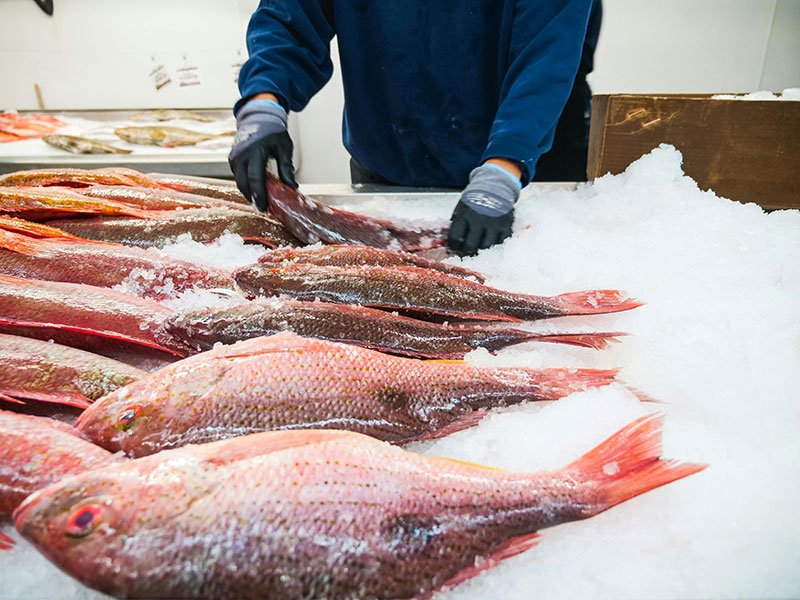
Taxonomy & Biology: *Lutjanus campechanus* belongs to the family Lutjanidae. It features a moderately sloped profile, a pointed snout, dog-like canine teeth, and a striking rosy-red coloration. The red snapper is common to reefs, ledges, and gravel bottoms on continental shelves, primarily at depths between 30 and 200 feet.
Wholesale Sizing Grades: Size categories are based on whole fish weight: Small (3/4 - 1 lb), Medium (1 - 2 lbs), Large (2 - 4 lbs), and Jumbo (4 lbs+). We supply Head-On Gutted (HOG), Head-Off Gutted (HEG), and Skin-On Fillets.
Sourcing & Catch Methods: Sustainably harvested using selective handlines and commercial longlines from South American Pacific/Atlantic shelves. Hooks are size-graded to select mature specimens only, eliminating the catch of juveniles.
Packaging & Deep-Freeze Shipping: Shipped as Individually Quick Frozen (IQF) or block-frozen. Individually glazed to prevent freezer burn (5% to 10% protective glaze options). Wrapped in food-safe polyethylene sleeves and packed in robust 10kg master cartons with custom ice dry-ratios.
Yellow Croaker (Larimichthys polyactis)
Technical Product Data Sheet
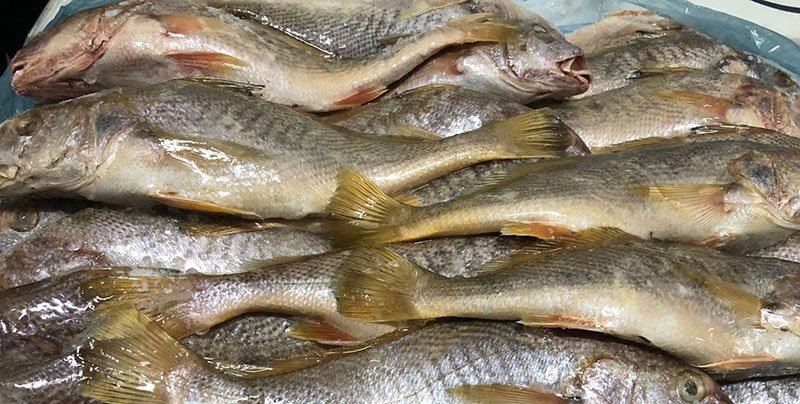
Taxonomy & Biology: *Larimichthys polyactis* is a small demersal fish belonging to the family Sciaenidae, characterized by its golden belly and delicate texture. Yellow Croaker resides in coastal currents, mud-sand bottom channels, and continental shelves.
Wholesale Sizing Grades: Weight-graded whole round items: 80-100g, 100-150g, 150-200g, and 200g+. Available in IQF or custom layered block packs to match regional wholesale packing specs.
Sourcing & Catch Methods: Sourced from wild-catch fisheries in the NW Pacific/East Asian shelf waters. Catch fleets utilize light-luring purse seines to capture croakers under optimal nocturnal cycles.
Packaging & Chilled Shipping: Transported inside specialized chill reefers (0°C to 4°C) on wet ice beds for local transit, or IQF deep-frozen (-18°C) in 10kg export cartons with internal thermal insulation sheets to shield the delicate golden skin pigment.
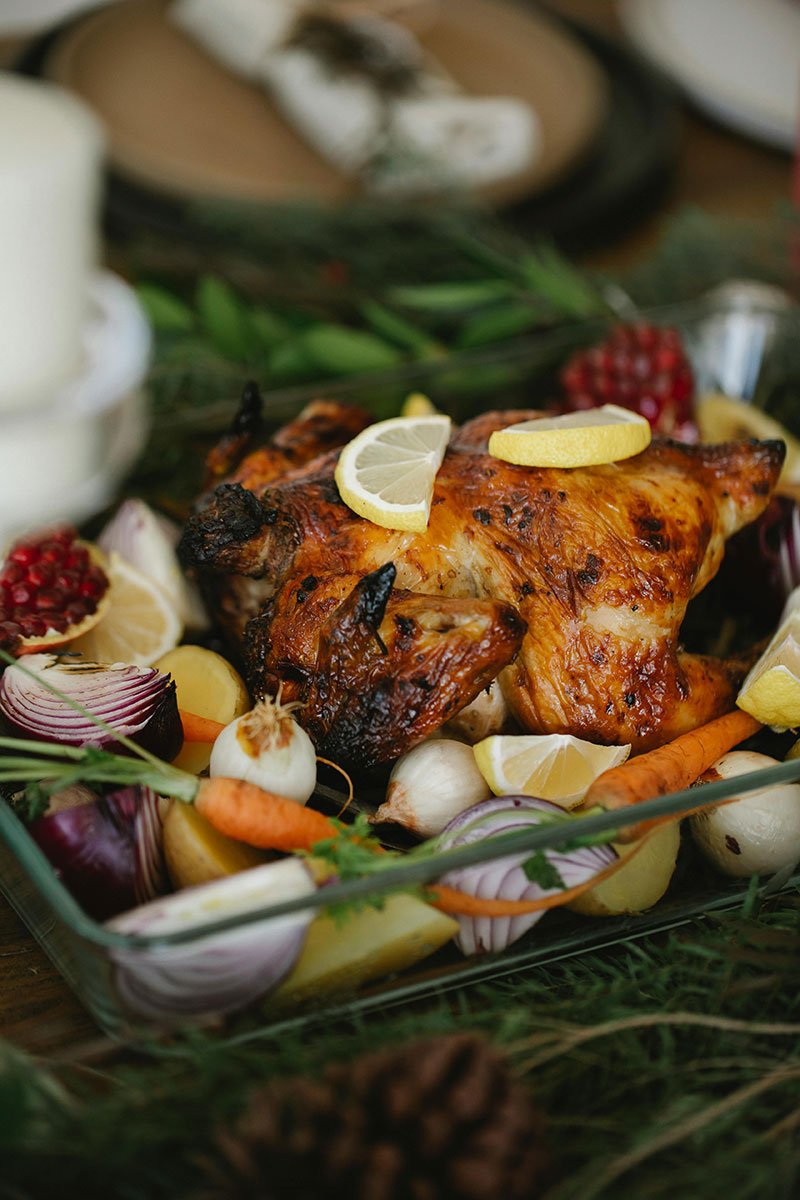
Frozen Poultry (Chicken)
Technical Product Data Sheet
Taxonomy & Biology: *Gallus gallus domesticus* sourced from specialized, modern bio-secure agricultural spaces. Feed regimens are structured with nutrient-dense grain mixes to achieve premium breast density and optimal wing-to-griller ratios.
Wholesale Sizing Grades: Wholes are sorted by weight (Griller Grade A configurations): Size 9 (850g-949g), Size 10 (950g-1049g), Size 11 (1050g-1149g), up to Size 15 (1450g-1550g). Also available in customized wholesale cut portions.
Sourcing & Bio-Safety: We buy poultry from tier-one producers in South America and Northern Europe. All processing centers must maintain strict sanitation standards, ensuring complete freedom from pathogens like Salmonella or Listeria.
Packaging & Deep-Freeze Shipping: Whole birds are individually poly-bagged, vacuum-packed, and laid flat inside heavy-duty 10kg wax-coated corrugated boxes. Transported in deep-freeze reefers monitored at a strict -18°C core temperature.
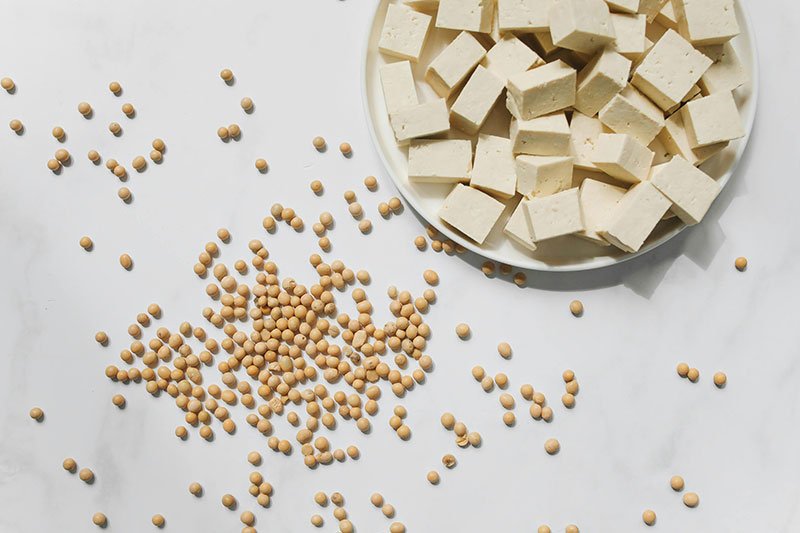
Organic Soya Beans (Glycine max)
Technical Product Data Sheet
Taxonomy & Biology: *Glycine max* is a highly valued annual crop belonging to the legume family Fabaceae. We trade Non-GMO organic varieties prized for high natural protein concentrations (36-40%) and lipid counts (18-22%).
Wholesale Specs & Grading: Graded in line with global grain rules. We guarantee: Foreign Matter < 1.5%, Splits < 10.0%, Heat Damaged Kernels < 0.2%, Test Weight > 54 lbs/bushel. Soya beans of other colors are capped strictly under 1.0%.
Sourcing & Logistics: Harvested from fertile farming rotations across West Africa. Grains are dried in natural settings post-harvest to keep moisture content under 12% to prevent cargo sweat and self-heating during transit.
Packaging & Shipping: Shipped in 50kg multi-wall polypropylene bags, or as dry bulk grain loaded into watertight ocean cargo holds. Holds are verified clean and ventilated using the "Three Degree Rule."
Raw Cashew Kernels (Anacardium occidentale)
Technical Product Data Sheet
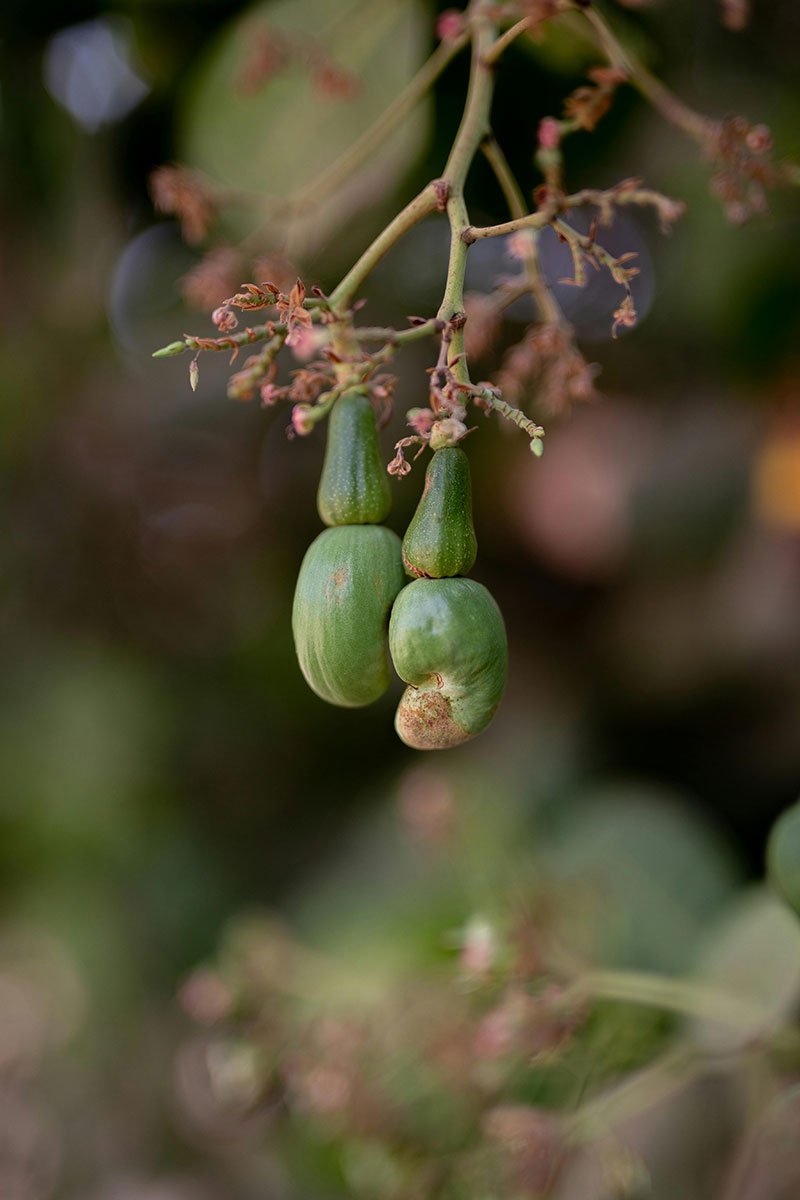
Taxonomy & Biology: The cashew tree belongs to the family Anacardiaceae. Kernels develop outside the pseudo-fruit (cashew apple), requiring expert roasting, mechanical shelling, and peeling to retrieve whole white nuts.
Wholesale Sizing Grades: Sorted strictly in line with global AFI standards. We trade: WW240 (220-240 whole kernels/lb) for luxury visual presentations, and WW320 (300-320 whole kernels/lb) for optimal commercial ingredient balancing.
Sourcing & Peeling Quality: Sourced from small-scale growers across West Africa. Shelling and processing facilities use dry-heat peeling to avoid scorched marks, keeping yellow or spotted kernels below 5% of weight.
Packaging & Moisture Control: Packaged in airtight vacuum bags inside double-walled fiberboard boxes. Moisture content is kept strictly under 8.0% to prevent fungal growth during oceanic transport.
Raw Organic Agricultural Staples
Technical Product Data Sheet
Taxonomy & Quality: Organic seeds, grains, and pulses produced under natural, sustainable crop management. Sourced free from chemical fertilizer treatments, meeting regional pesticide limits.
Wholesale Grading & Verification: Meets regional Non-GMO standards, verified through complete physical identity preservation (IP) documentation at original processing zones.
Sourcing & Sacks Logistics: Collected from cooperatives in West Africa. Handled inside dedicated dry cargo containers, maintaining strict organic custody logs to prevent cross-contamination.
Packaging & Shipping: Packed in 25kg or 50kg natural food-grade jute sacks, or custom woven bags, stored under dry conditions (Relative Humidity < 65%) to avoid heat-driven mold.
Wholesale Sourcing Process Guide
From Initial Sourcing Inquiry to ocean port Dispatch
We operate under structured transaction steps to ensure absolute transaction safety for bulk ocean commodities:
Pre-Contract Allocations Check: Gulf Foods verifies availability from South American ocean fleets or African crop cooperative silos, issuing commercial quotes.
Trade Finance Security: Buyers issue secure Letters of Credit (LC) or Bank Guarantees, managed through our Sharjah, UAE banking relationships.
Ocean Freight Packing & Inspection: Cargo is packed inside reefer containers or dry-van bulk setups. Independent surveyors (SGS or equivalent) inspect cargo during dockside loading.
Maritime Transit Telemetry Tracking: Ocean vessels are dispatched, and real-time telemetry logs are generated to guarantee secure logistics until final discharge.